
 By Umeshkumar Nagare
Nandur Madhyameshwar Bird Sanctuary is one of Maharashtra’s top birding destinations, home to over 200 species of birds. Its wetlands, backwaters, and rich aquatic life make it an ideal habitat for Grey Herons and many other species.
By Umeshkumar Nagare
One of the most remarkable features of pelicans is their large throat pouch. It works like a natural fishing net, allowing them to scoop up fish along with water. After catching their prey, they tilt their head to drain the water before swallowing the fish.
Pelicans are highly intelligent hunters and often work together. In groups, they form a line or semicircle and drive fish toward shallow water. This coordinated effort increases their chances of catching food efficiently.
Despite their large size, pelicans are graceful in the air. They use warm air currents, known as thermals, to soar for long distances without flapping their wings much. This helps them conserve energy during long flights.
Pelicans may look heavy, but their bodies are specially designed for flight. Their bones are lightweight and contain air spaces, which reduce their overall weight and make flying easier.
Pelicans are very social and often live in large groups. During the breeding season, they nest in colonies, sometimes with hundreds of birds together. Depending on the species, nests can be found on the ground, in trees, or on isolated islands.
In India, species like the Spot-billed pelican are commonly seen in wetlands, lakes, and coastal regions. They are also spotted at bird-rich areas such as Nandur Madhyameshwar Wildlife Sanctuary.
A pelican’s pouch can hold more water than its stomach can hold food. This means they must first drain the water before they can swallow their catch.
Pelicans play an important role in maintaining ecological balance by controlling fish populations. Their presence is often a sign of a healthy aquatic environment.
Pelicans are not just large and striking birds; they are also highly adapted, intelligent, and social creatures. From their unique feeding techniques to their efficient flying abilities, they are a perfect example of nature’s design for survival in aquatic habitats.
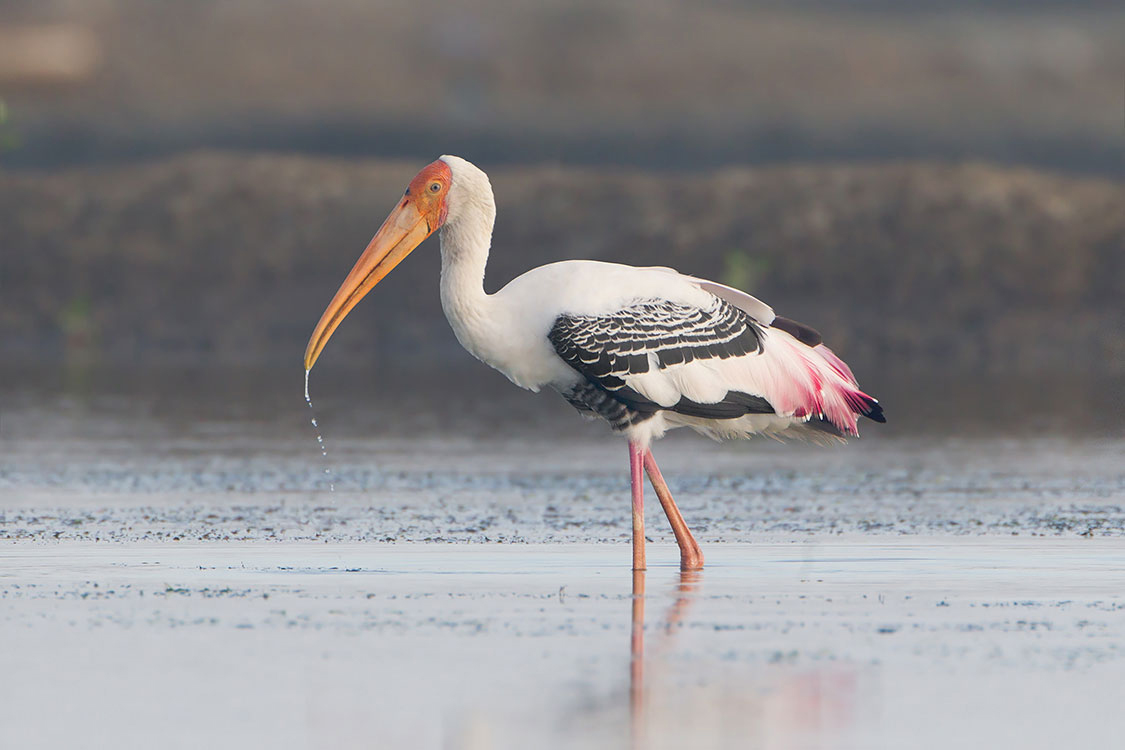
By Umeshkumar Nagare The Painted stork is one of the most beautiful and recognizable wetland birds found across India. With its striking pink feathers, black-and-white wings, and long yellow beak, it stands out easily in lakes, rivers, and marshes.
Appearance That Stands Out
Painted storks get their name from the pink coloration on their wings, which looks as if it has been painted. Their long legs help them wade through shallow water, while their slightly curved yellow beak is perfectly adapted for catching prey.
Unique Feeding Technique
Unlike many birds that rely on sight, painted storks use a fascinating method to find food. They keep their beak partially open in water and move it side to side. The moment they sense movement, they snap their beak shut and catch fish instantly. This method is highly efficient and works even in muddy water where visibility is low.
Habitat and Distribution
Painted storks are commonly found in wetlands across the Indian subcontinent. They prefer shallow water bodies such as lakes, marshes, and flooded fields where fish are abundant. One of the well-known places to spot them is Nandur Madhyameshwar Wildlife Sanctuary, which is famous for its rich birdlife.
Social and Nesting Behavior
These birds are highly social, especially during the breeding season. They nest in large colonies, often on trees near water bodies. A single tree can host dozens or even hundreds of nests. Both parents take part in feeding the chicks, usually by regurgitating food.
Adaptation to Heat
Painted storks have an unusual but effective way to stay cool in hot climates. They use a process called urohidosis, where they excrete on their legs. As the liquid evaporates, it helps reduce body temperature.
Flight and Movement
Despite their large size, painted storks are graceful flyers. They soar high in the sky using warm air currents, conserving energy by gliding rather than constantly flapping their wings.
Ecological Importance
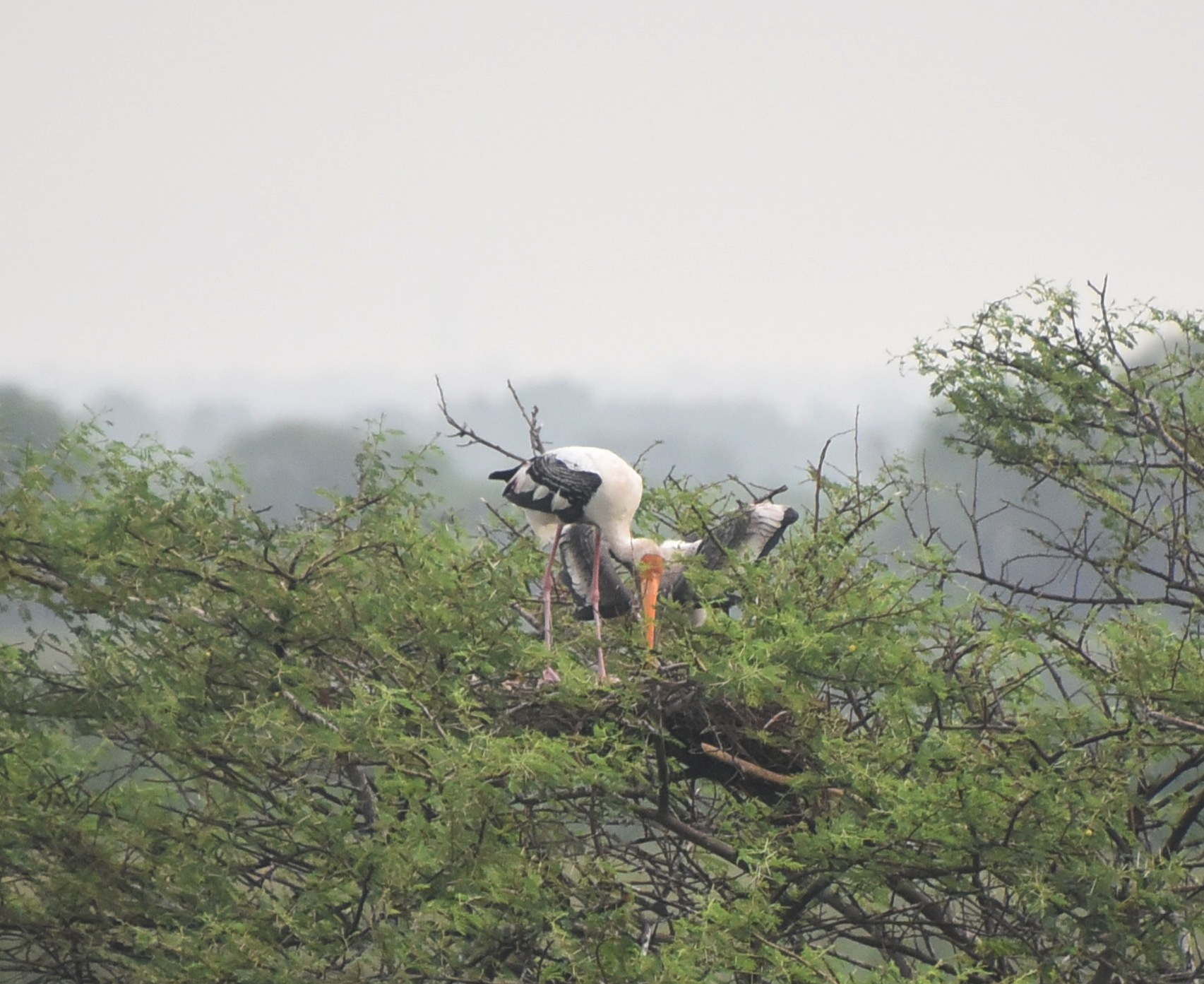 Painted storks play an important role in maintaining the balance of wetland ecosystems. By feeding on fish and aquatic organisms, they help regulate populations and indicate a healthy environment.
Conservation Status
The painted stork is currently listed as Near Threatened. The main threats include habitat loss, pollution, and disturbance in breeding areas. Protecting wetlands is essential for ensuring the survival of this species.
Conclusion
The painted stork is not just a beautiful bird but also an important part of India’s wetland ecosystem. Its unique feeding style, social behavior, and adaptability make it a fascinating species to observe in the wild.
By Umeshkumar Nagare 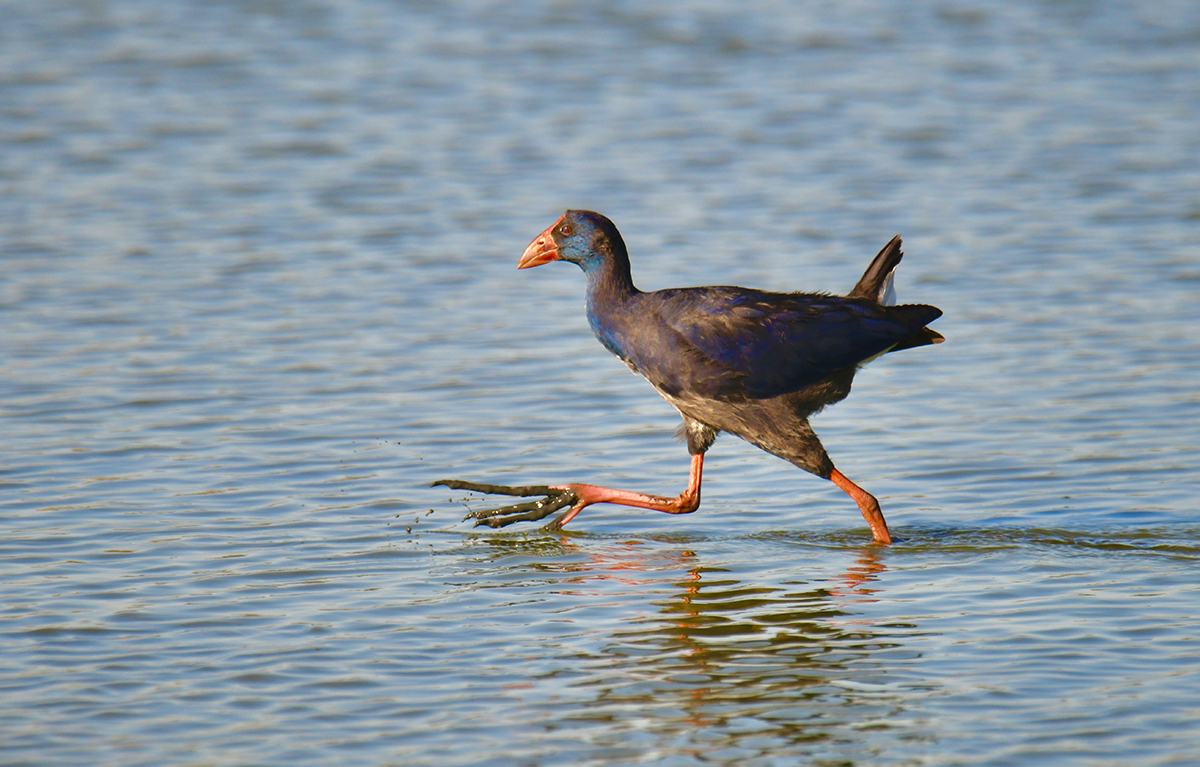
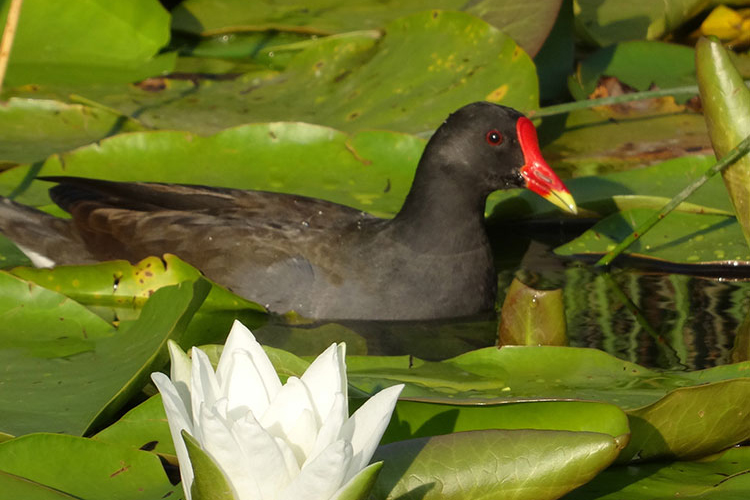
The first time I saw a Western swamphen at Nandur, I genuinely paused.
That deep blue-purple body, bright red beak, and those ridiculously long toes—it almost looks unreal against the green marsh.
They don’t try to hide much. Instead, they just walk slowly through the reeds like they own the place.
What surprised me most was how they move.
They casually walk over floating plants like lotus leaves.
Those long toes spread their weight, so instead of sinking, they just glide across vegetation.
The first time you see it, it honestly feels like they’re cheating physics.
I watched one patiently pick a reed, hold it with its foot, and eat it like corn.
That moment stuck with me.
Unlike many wetland birds, swamphens are mostly plant eaters—soft shoots, stems, aquatic plants.
But yes, occasionally they’ll snack on insects or small creatures.
During breeding season at Nandur, I noticed something beautiful—
They don’t always raise chicks alone.
Sometimes, older siblings help feed the younger ones.
It’s rare in birds, and watching that teamwork in the wild feels… different. Almost human.
You’d expect such a calm-looking bird to be quiet. It’s not.
Suddenly, out of nowhere—a loud, harsh call echoes across the wetland.
The first time, I actually looked around thinking something big had happened.
Nandur Madhyameshwar Wildlife Sanctuary isn’t just any wetland.
It’s a mix of open water, thick reeds, and floating vegetation—basically a paradise for swamphens.
Every visit feels slightly different, but one thing is constant:
If you’re patient, you’ll always spot them moving quietly through the green.
Out of all the birds here, swamphens feel the most “present.”
They’re not in a hurry. Not hiding. Not showing off.
Just living their rhythm in the marsh.
And somehow, that simplicity makes them unforgettable.
By Umeshkumar Nagare 1. Master Divers of the Bird World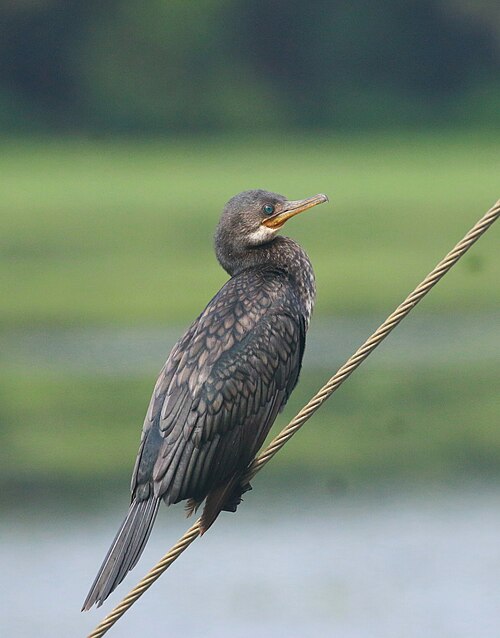
Cormorants are incredible underwater hunters. They use their powerful webbed feet (not wings) to propel themselves while diving—sometimes reaching depths of 45 meters (150 feet). Their hooked beak helps them grip slippery fish with ease.
2. Not Waterproof Feathers (On Purpose!)
Unlike most water birds, cormorants don’t have fully waterproof feathers. This might sound like a flaw, but it actually helps them dive deeper with less buoyancy. After fishing, you’ll often see them perched with wings spread wide to dry.
3. Ancient Fishing Partners of Humans
For over 1,000 years, people in countries like China and Japan have used cormorants for fishing. Fishermen tie a loose ring around the bird’s neck so it can catch fish but not swallow large ones—bringing the catch back to the boat.
4. Global Travelers
Cormorants are found almost everywhere except Antarctica. Some well-known species include the Great Cormorant and the Indian cormorant seen across lakes and rivers in Maharashtra. They thrive in both freshwater and coastal habitats.
5. Efficient Hunters with Big Appetites
An adult cormorant can eat up to 1 pound (≈450 grams) of fish per day. They often hunt in groups, herding fish together for easier catching—like a coordinated underwater team.
6. Built for the Water Life
Their bodies are perfectly designed for aquatic life:
Long neck for quick strikes
Hooked beak for gripping prey
Webbed feet for propulsion
Dense bones (less air) to reduce floating
7. Symbolism & Myth
In many cultures, cormorants symbolize resourcefulness and patience due to their fishing skills. However, in some regions, they’ve been misunderstood as competitors to fishermen.
8. Environmental Indicators
Cormorants can indicate the health of aquatic ecosystems. A stable population often means a good fish supply and relatively clean water.

Copyright © 2025 Nandur Madhyameshwar . All Rights Reserved.
Website Powered by The LightHouse IT Solutions