
1. Master Divers of the Bird World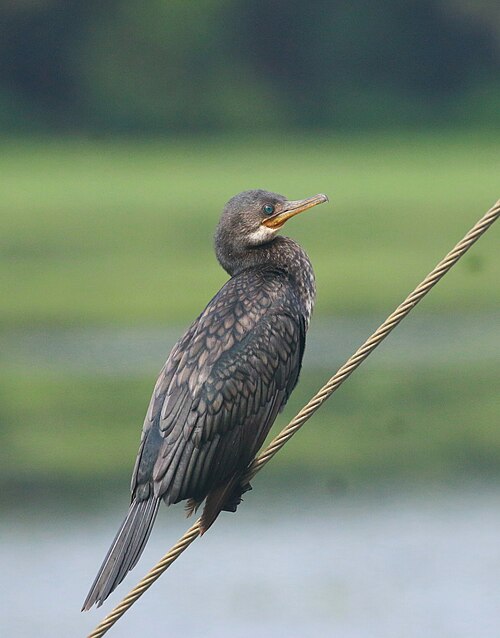
Cormorants are incredible underwater hunters. They use their powerful webbed feet (not wings) to propel themselves while diving—sometimes reaching depths of 45 meters (150 feet). Their hooked beak helps them grip slippery fish with ease.
2. Not Waterproof Feathers (On Purpose!)
Unlike most water birds, cormorants don’t have fully waterproof feathers. This might sound like a flaw, but it actually helps them dive deeper with less buoyancy. After fishing, you’ll often see them perched with wings spread wide to dry.
3. Ancient Fishing Partners of Humans
For over 1,000 years, people in countries like China and Japan have used cormorants for fishing. Fishermen tie a loose ring around the bird’s neck so it can catch fish but not swallow large ones—bringing the catch back to the boat.
4. Global Travelers
Cormorants are found almost everywhere except Antarctica. Some well-known species include the Great Cormorant and the Indian cormorant seen across lakes and rivers in Maharashtra. They thrive in both freshwater and coastal habitats.
5. Efficient Hunters with Big Appetites
An adult cormorant can eat up to 1 pound (≈450 grams) of fish per day. They often hunt in groups, herding fish together for easier catching—like a coordinated underwater team.
6. Built for the Water Life
Their bodies are perfectly designed for aquatic life:
Long neck for quick strikes
Hooked beak for gripping prey
Webbed feet for propulsion
Dense bones (less air) to reduce floating
7. Symbolism & Myth
In many cultures, cormorants symbolize resourcefulness and patience due to their fishing skills. However, in some regions, they’ve been misunderstood as competitors to fishermen.
8. Environmental Indicators
Cormorants can indicate the health of aquatic ecosystems. A stable population often means a good fish supply and relatively clean water.